Introduction: We are 4th years who have volunteered to do one week of work for the Skibbereen Tidy Towns community for our social placement. Over this past week we have learned a lot about the state of food waste in our local area and around the world.
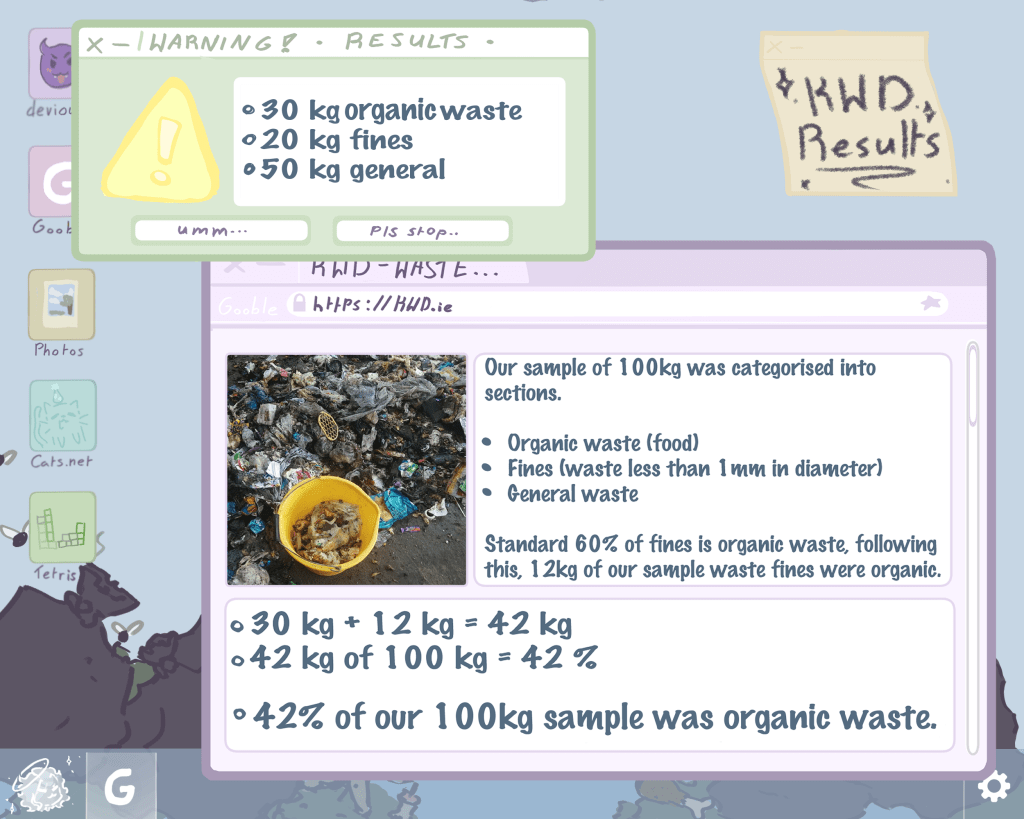
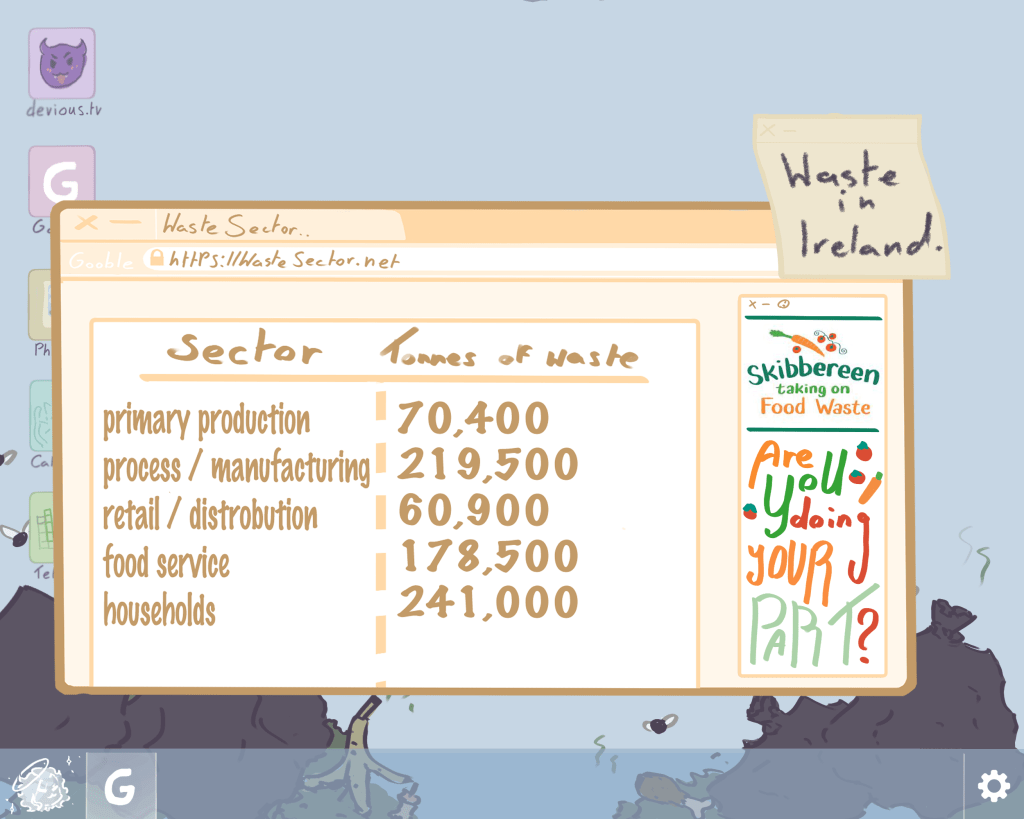
Most people are aware that food waste is a problem, but the actual extent of the problem might surprise you. Recent statistics from a KWD survey of waste collected from Skibbereen household bins show that organic waste makes up a whopping 42% of landfill waste, with 20% of general waste being organic from a general sample of 5330kg. This is concerning, especially considering that globally, over 25% of food produced is wasted. Food waste is also a significant contributor to climate change, generating 8-10% of global greenhouse gas emissions. Reducing food waste is a crucial step in mitigating climate change.
Food waste has many negative effects, including environmental impacts such as increased greenhouse gas emissions, deforestation, and water scarcity. We can reduce food waste in our households by staying mindful of what we throw away and why. The top foods wasted are bread, fruit, and vegetables. To reduce bread waste, we can make a plan, store bread correctly, and use leftovers creatively. Making a meal plan, keeping a shopping list, and using leftovers before they go bad are other ways to reduce general food waste.
Food waste is a global issue that has significant environmental, social, and economic consequences. Reducing food waste is crucial in mitigating climate change, protecting our planet’s resources, and improving the lives of those less fortunate. By throwing away less food, we can redirect surplus food to those in need and reduce hunger. For individuals and businesses, reducing food waste can lead to cost savings and increased profits.
Effects of Food Waste
Food waste has numerous negative effects, including:
Environmental Impact: When food is wasted, all the resources that went into producing, packaging, and transporting the food are wasted as well. This leads to increased greenhouse gas emissions, deforestation, and water scarcity.
Economic Impact: Food waste costs the global economy an estimated $940 billion per year, with significant losses in both the agricultural and retail sectors.
Social Impact: The prevalence of food waste exacerbates issues of hunger and poverty, as the resources that could have been used to feed those in need are wasted.
How can we tackle food waste in our households?
Staying aware of what food we waste and why. The top foods wasted are :
- Bread (41%)
- Fruit (39%)
- Vegetables (38%)
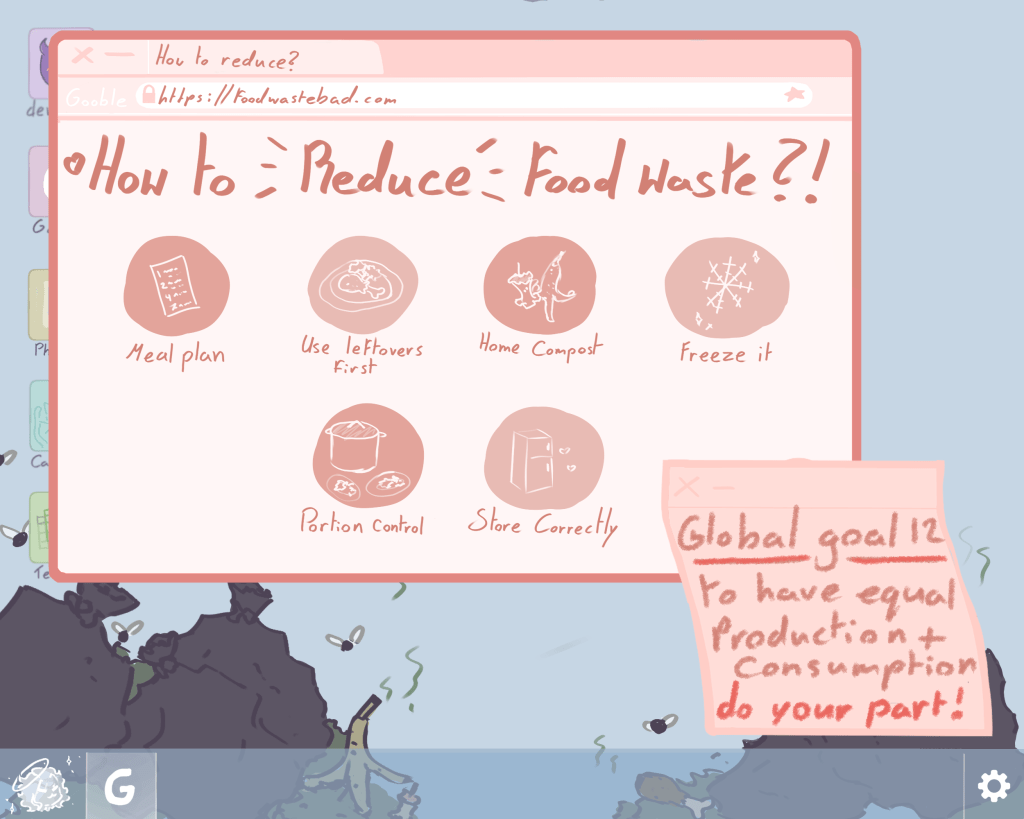
How to reduce general food waste?
-Make a meal plan
-Keep a shopping list
-Use leftovers before they have to be thrown out:
When cooking look around your kitchen for ingredients that may go off soon and use them to create your dishes. Example of how to do this with the most wasted foods: A crouton salad for lunch and a fruit and yogurt bowl for dessert, something like this uses bread, vegetables, and fruits.
Our opinions on the matter
Food waste is a global problem that is not only morally reprehensible but also has dire consequences for the environment, economy, and society. Approximately one-third of all food produced in the world is lost or wasted each year, which amounts to a staggering 1.3 billion tons. This is a significant issue that cannot be ignored any longer, and it requires a collective effort to address.
Firstly, food waste is a major contributor to environmental degradation. When food is thrown away, it ends up in landfills, where it decomposes and produces methane, a potent greenhouse gas that contributes to climate change. Furthermore, the production of food requires vast amounts of resources, including water, energy, and land, which are all wasted when food is discarded. Thus, reducing food waste is crucial for mitigating climate change and protecting our planet’s resources.
Secondly, food waste is a social issue that affects millions of people worldwide. While some people have access to an abundance of food, others struggle to feed themselves and their families. By reducing food waste, we can redirect surplus food to those in need, reducing hunger and improving the lives of the less fortunate.
Finally, food waste is an economic problem that affects both individuals and businesses. When food is thrown away, it represents a loss of money and resources. For households, this translates into wasted grocery budgets, while for businesses, it leads to reduced profits and increased costs. Reducing food waste can help individuals and businesses save money and improve their bottom line.
References: EPA (EPA.ie), FAO (fao.org), KWD (kwd.ie)
By guest writers: Pauline Lucey and Alise Briedis
 Skibbereen Tidy Towns